Fan Llia to Fan Gyhrirych
May 30, 2009 at 9:17 pm | Posted in Walking | Leave a commentTags: Brecon Beacons, Fan Fraith, Fan Gyhrirych
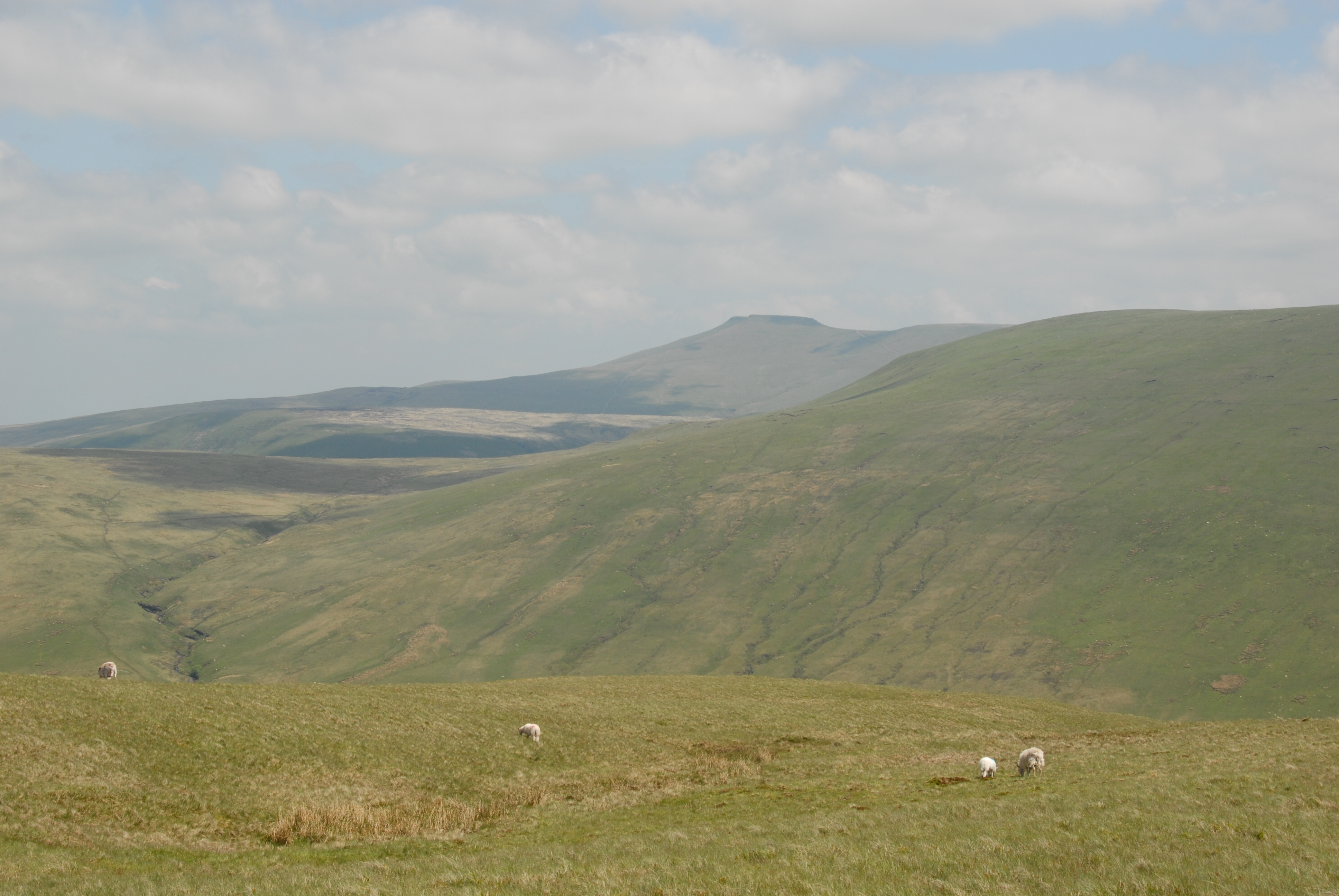 This was a long trek across Fforest Fawr, a place of serene isolation. I followed the Nuttall route across four peaks – Fan Llia, Fan Nedd, Fan Fraith and Fan Gyhrirych – with a long loop back through the path of an old railway, a nature reserve and Sarn Helen, the Roman Road. A total of 16 miles. It was a beautiful warm day that really felt like early summer but the long stretch back took a toll on stiff muscles.
I started from the attractive Afon Llia car park – leaving the car-bound picnickers to enjoy the river – and climbed steadily up over grassy slopes to the summit of Fan Llia, with its views across the valley to Fan Nedd and back east to Fan Fawr and the Brecon Beacons. After dropping down into the valley, to the ancient standing stone of Maen Llia, there is a much tougher climb up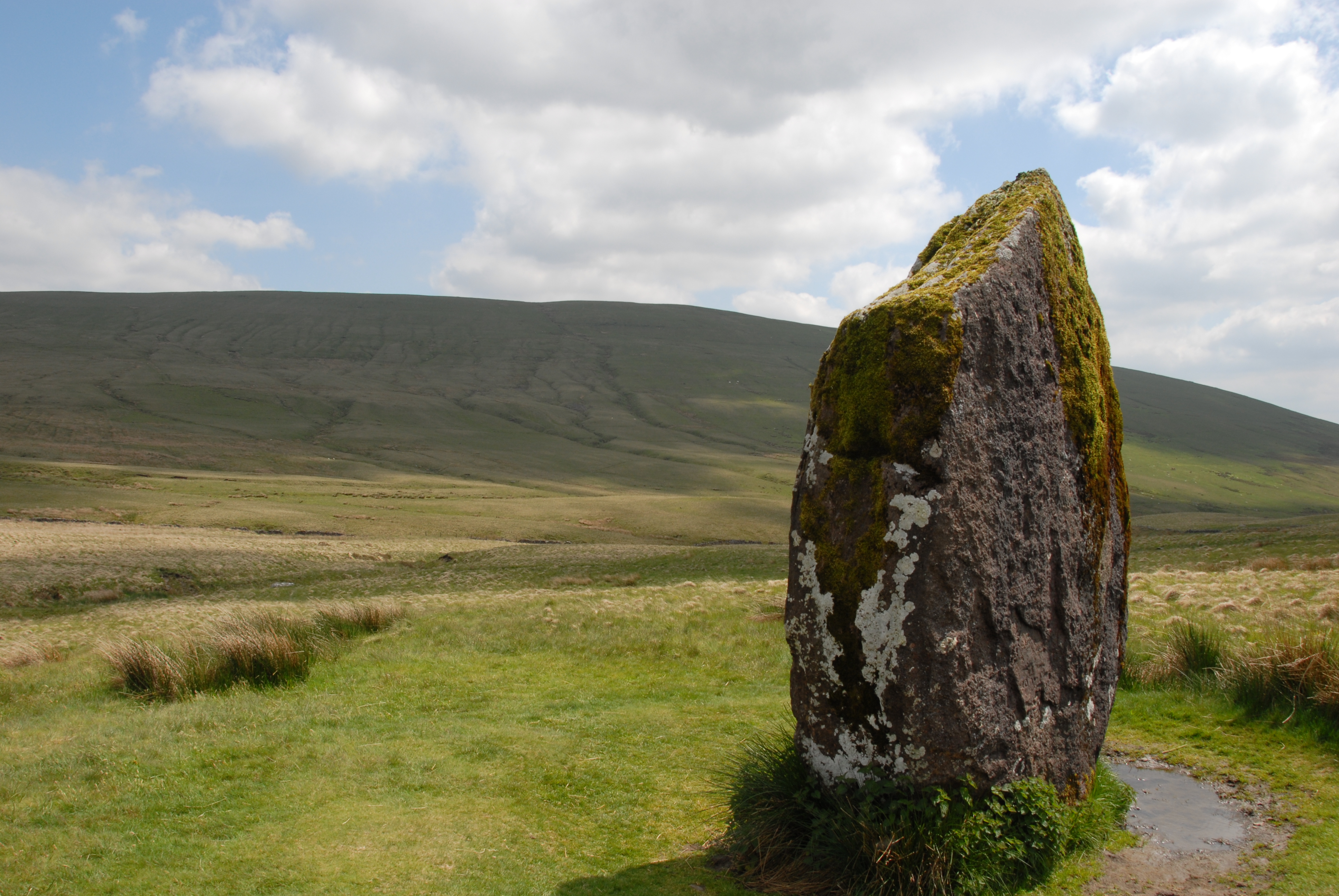 to Fan Nedd. The summit is hard won but gives wonderful views over to Fan Gyhrirych, the Carmathen Fan and back across Fan Fawr to Pen y Fan and Corn Du.
The next stage descends from Fan Nedd to Bwlch y Duwynt and then follows a clear track with a detour for Fan Fraith and then up the slope to Fan Gyhrirych. From the summit it’s a steep descent down the grassy slopes to the road.
There is then a gentle walk alon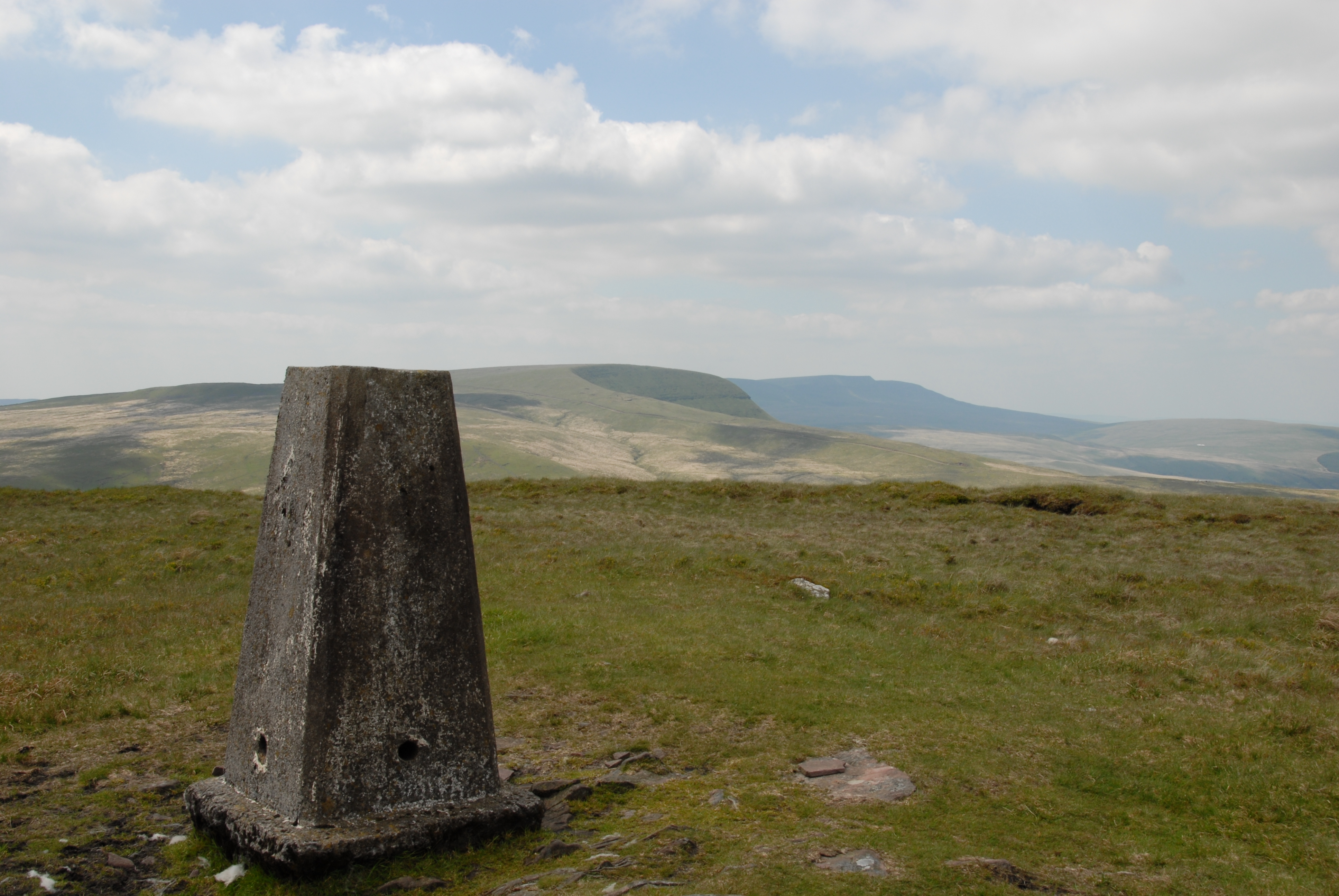 g the trace of an old railway line on the Cnewr Estate until you come to quarry works. You then cross the Ogof-Fynnon-Ddu Pant Mawr National Nature Reserve. This was a lovely return leg on a fine late spring evening but by now my leg was aching badly and I was regretting not bringing more water. The final stretch was along Sarn Helen, the ancient Roman road, and thoughts of soldiers marching this same path almost two millennia ago provided a welcome distraction as I hobbled back to the car, 8 hours after starting, tired, sore and thirsty but very happy.
Fan Fawr
April 20, 2009 at 10:00 pm | Posted in Walking | Leave a commentTags: Brecon Beacons, Fan Fawr, Fan Frynych
A beautiful spring day, so took the chance explore the quieter side of the Brecon Beacons. I walked up from the A470 to Fan 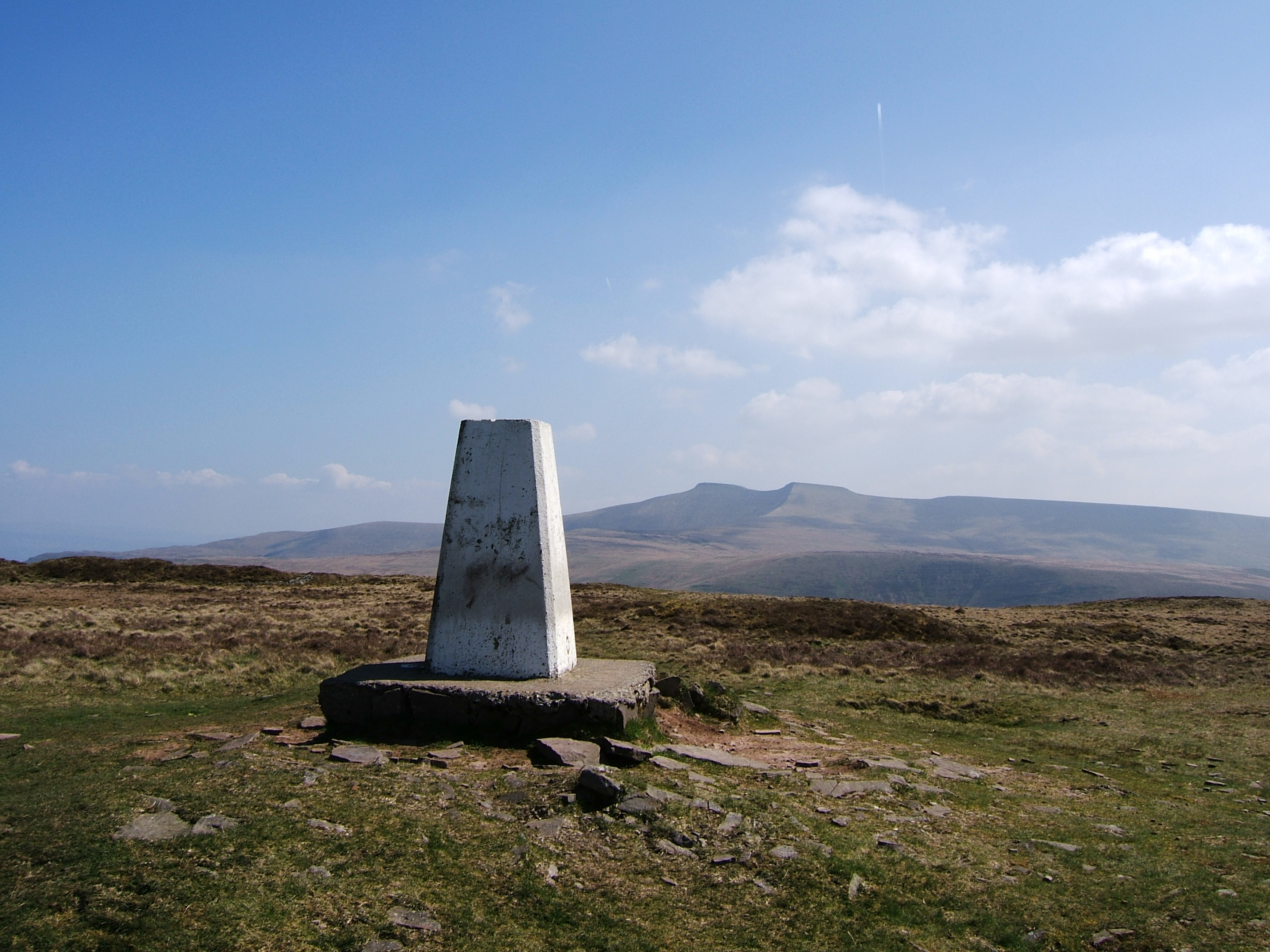 Frynych then across to Fan Fawr, before looping back across Y Gyrn. It was a stunning day – with bright sun all the way.
The first part of the walk is a gradual ascent through a nature reserve. I had meadow pipits, wheatears and ravens for company and two kites circling above the summit of Fan Frynych. From the summit the moor then stretches over Craig Cerrig-glesiad with constant views to Pen Y Fan and Corn Du on one side and to the western peaks of Forest Fawr on the other. As walk across the moor, you can see the slopes of Fan Fawr ahead, like an immense green wall. It’s a straightforward climb but very steep at times and the knees started to ache near the top.
At the summit there are views over the A470 to Corn Du, with the Taff reservoirs stretching out down the valley and Brecon and 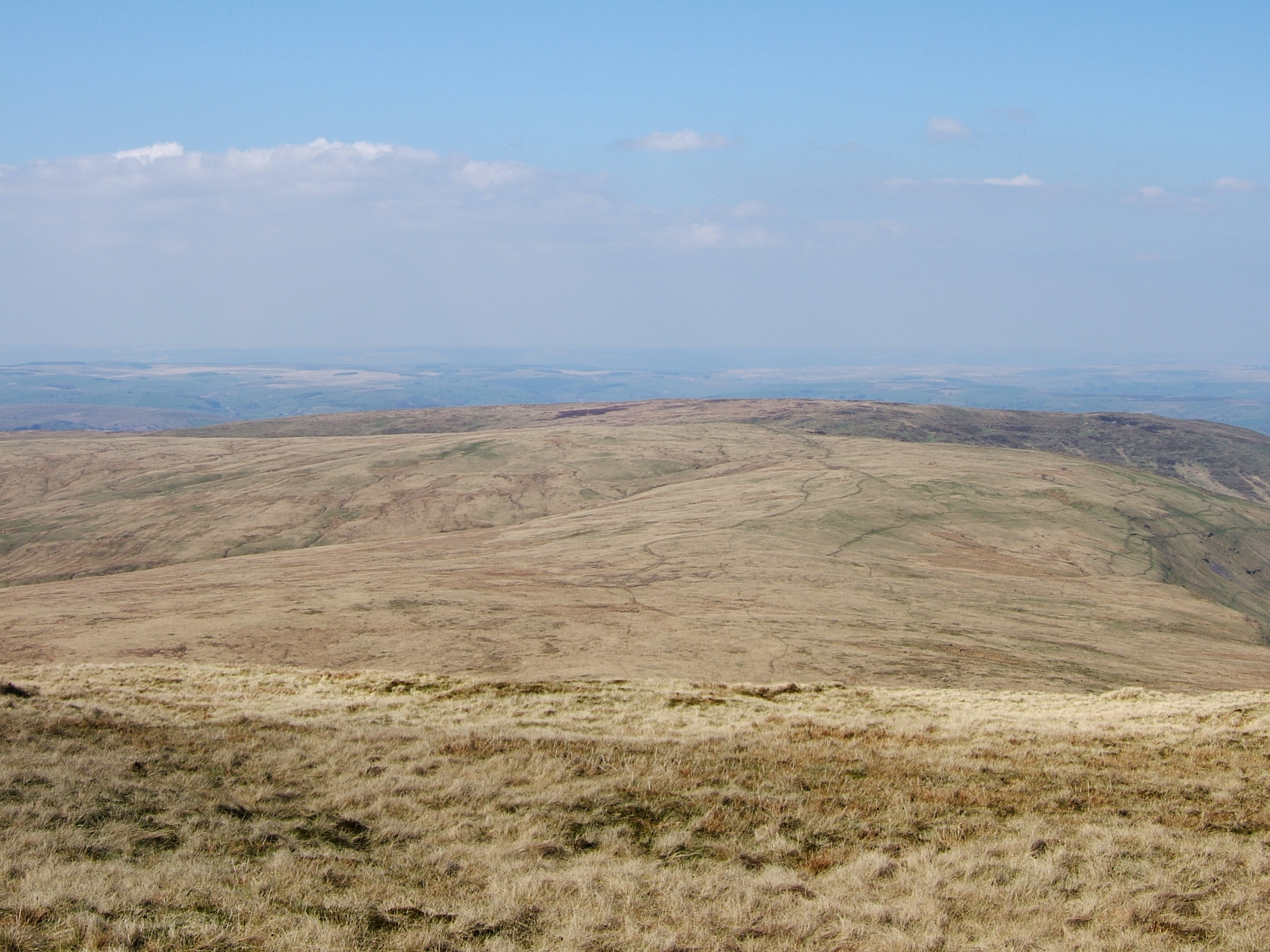 mid-Wales hills to North, while the empty expanse of Forest Fawr lies to the west. I cut down to Storey Arms – which was relatively quiet – and then across Y Gyrn and back down to the start. I was careless about the path down Y Gyrn so ended up heather hopping down the steep slope – not recommended and unnecessary but no harm done. Then down the drovers’ road and across the stream to reach the start. About 9 miles in total. The quietness of Fforest Fawr is hypnotic – will be back to do the other peaks soon.
Moel Hebog
March 27, 2009 at 10:00 pm | Posted in Walking | Leave a commentTags: Moel Hebog, Snowdonia
The walk begins in the woods a couple of miles from Beddgelert and Moel Hebog looms clearly above you as you approach the start. After a short walk through woods there was a gradual if strenuous hill climb up to the base of the summit. The small plateau provided a good place to catch my breath and enjoy the views over Beddgelert; Cnicht and the Moelwyns were clear to the south, and the Snowdon range was straight ahead, with snow still on many of the slopes and thick cloud over the summit. After this break, there was a rough scramble up over the obscure path t o the ridge. On my own, after my brother pulled out with a pulled muscle, I tentatively reached for the next foothold in the shale and wondered what I would do if I slipped at this point. This was mid-week in late March and I’d only seen one other walker so far (who’d kindly warned my of how tricky this bit of the route could be); and though the weather was mild at the moment it probably wouldn’t stay that way. So with extra care I looked round for the best route up (and I still l think I never found it), and was relieved eventually to pull myself up onto the ridge that leads to the summit. The view from Moel Hebog includes the whole of the Nantille ridge stretched out beyond Moel yr Ogof and to the west the coast of Wales stretching up from Porthmadog. Off the summit I followed a stone wall that dropped steeply to the bwch and then climbed up to Moel yr Ogof (the Bare Hill of the Cave, which takes its name from the cave just off the summit where Owain Glyndwr hid from the armies of Henry IV).
Past the summit, the path cuts across the rocky crest to the Moel Lefn. Dark grey clouds had now gathered over Nantille ridge, so I moved on quickly down through the valley into the far end of the woods from where I’d started. Inevitably there were a few false steps in the woods, but not too much of a delay, and I made it back finally to the car at the end of a hard but worthwhile 6 miles that felt like much more.
Cnicht
March 26, 2009 at 10:00 pm | Posted in Walking | 1 CommentTags: Cnicht, Moelwyns, Snowdonia
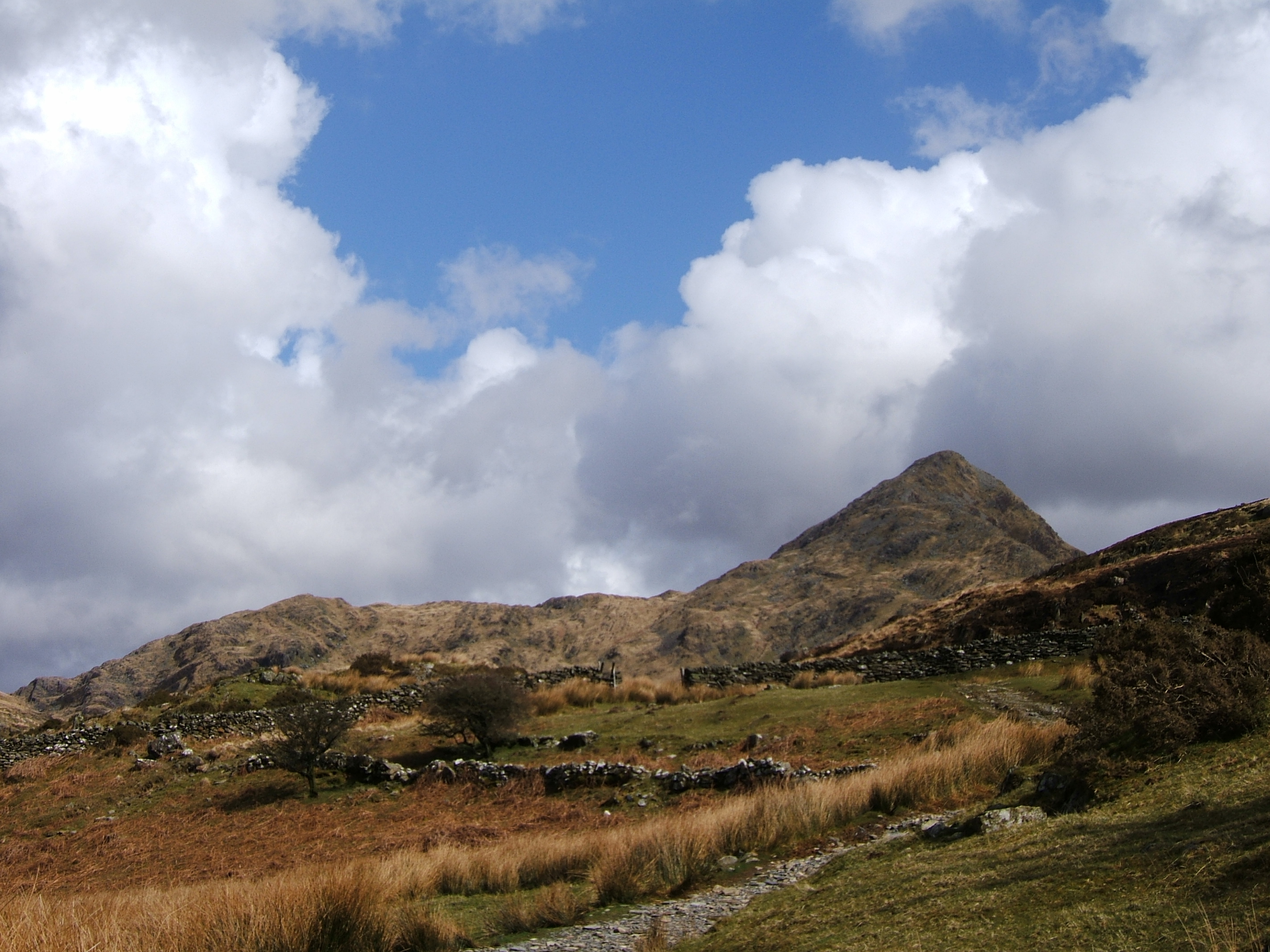 The wind was ripping across from the sea at dawn. There was lashing rain as well and it was just a question of waiting it out and hoping for better. By mid-morning though the rain had stopped and the winds had eased and so we headed towards Cnicht (the Knight), the striking peak that stands south of the Snowdon range overlooking the coastline.
This was my brother’s first mountain peak – so I’d chosen something dramatic but not too challenging. The walk out of Croesor takes you gradually up the ridge to the summit with the North Wales coast line stretching out behind you, while across the valley to the north west there are clear views of Moel Hebog and behind that the Nantille ridge. The only problem was the fierce wind form the north and at one point we had to take shelter behind an outcrop before tacking an exposed part of the ridge. There is short scramble to the summit, which though it then leads o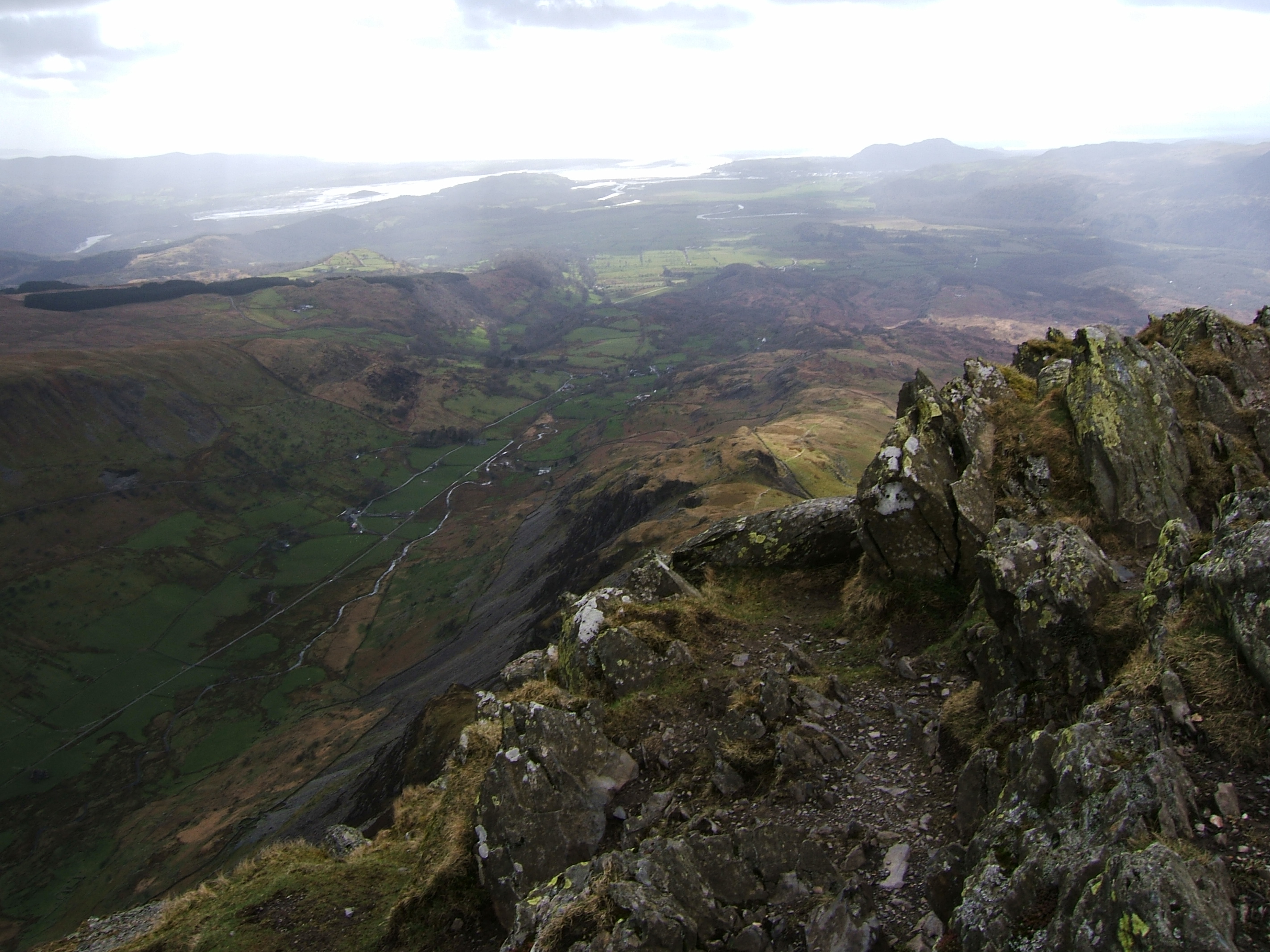 nto an extended ridge to the west, still feels like and exposed and dramatic top with awesome views all around. After that it was a gentle walk over the ridge to the second peak, Cnicht South Top, and then down to Llyn yr Adar (lake of the birds).
The full horseshoe walk take you over the higher peaks of the Moelwyns but we kept that for another trip and cut back down past the old quarry works and onto the path along the side of Cwm Croesor. Despite a short burst of heavy rain this was a gentle walk with the hills glistening as the sun returned after the downpour.
Fan y Big and Waun Rydd
March 15, 2009 at 10:00 pm | Posted in Walking | Leave a commentTags: Brecon Beacons, Fan Y Big, Waun Rydd
A 10-mile walk taking in the the escarpm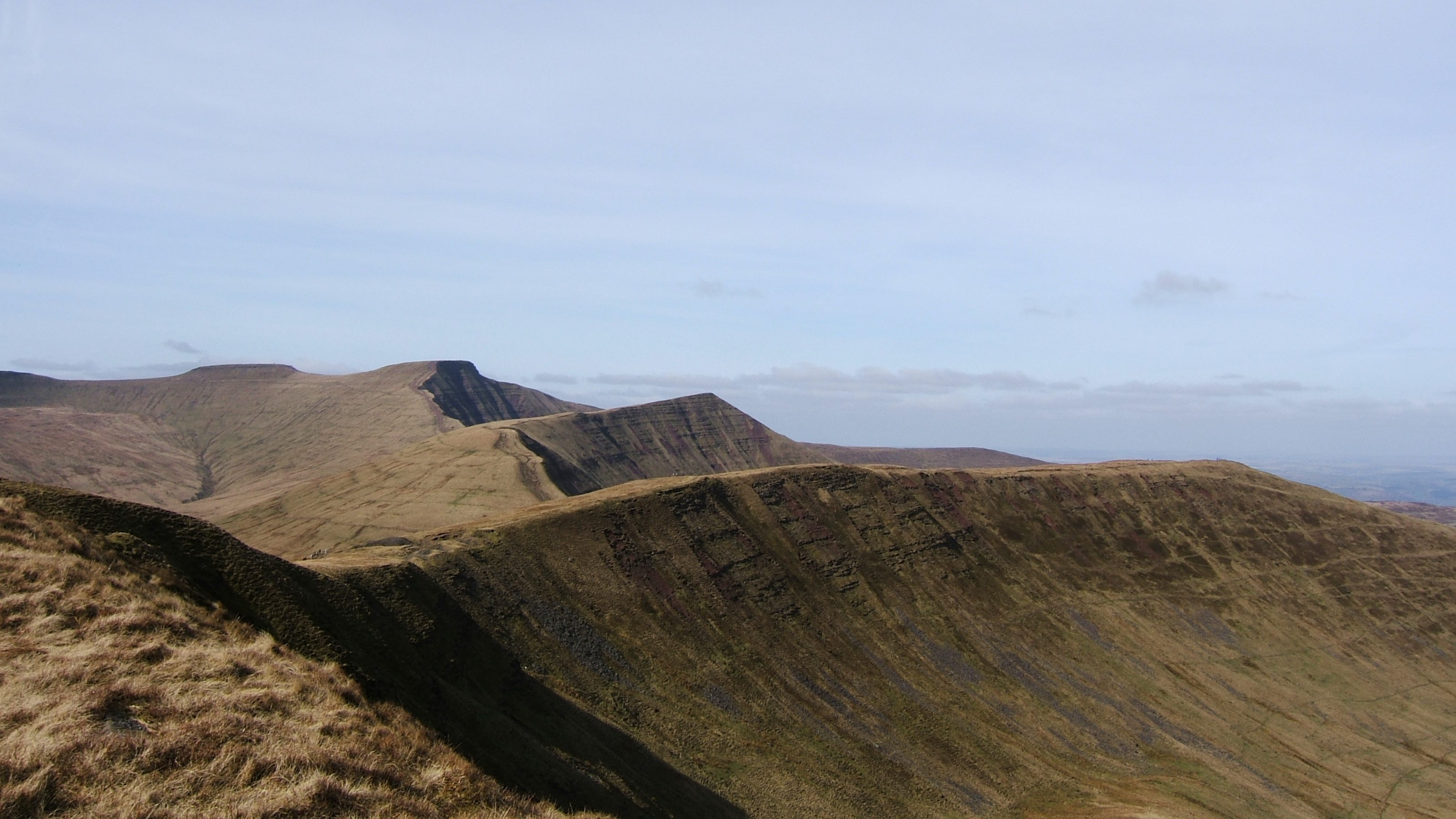 ent from Fan y Big across to Waun Rydd and then out to Allt Llywd. A fantastic early spring day, with clear skies all the way and apart from a sharp wind on edge up to after Waun Rydd, it stayed warm all the time.
As it was a Sunday, the car parks were busy and there were a fair few people on Fan y B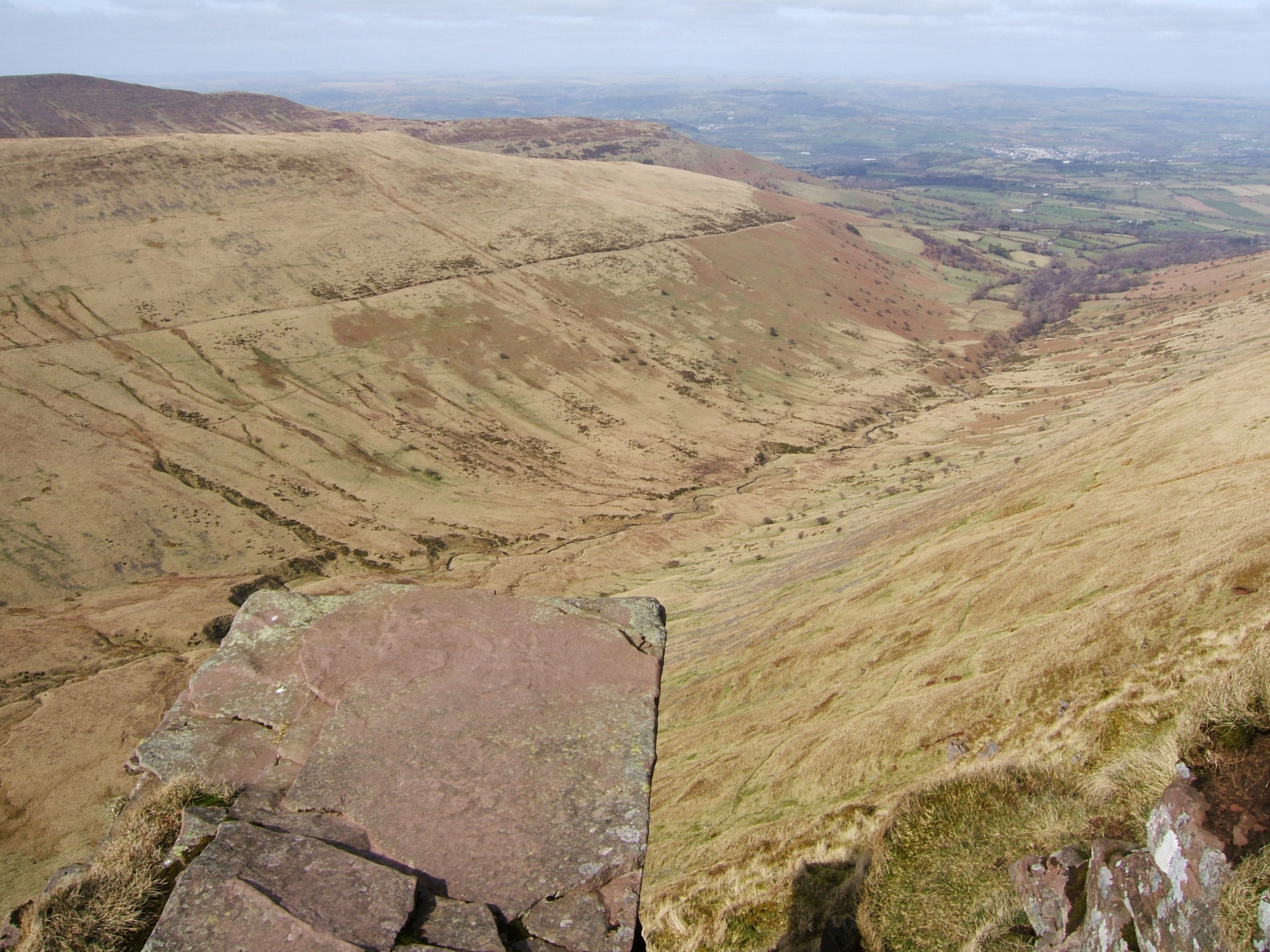 ig but I was on my own with the ravens once I get out towards Waun Rydd. Had lunch in peace on the crest between Fan y Big and the Waun Rydd escarpment – with wonderful views over the valley below. On the walk from Waun Rydd there are great views over to Pen Carrog-Ca
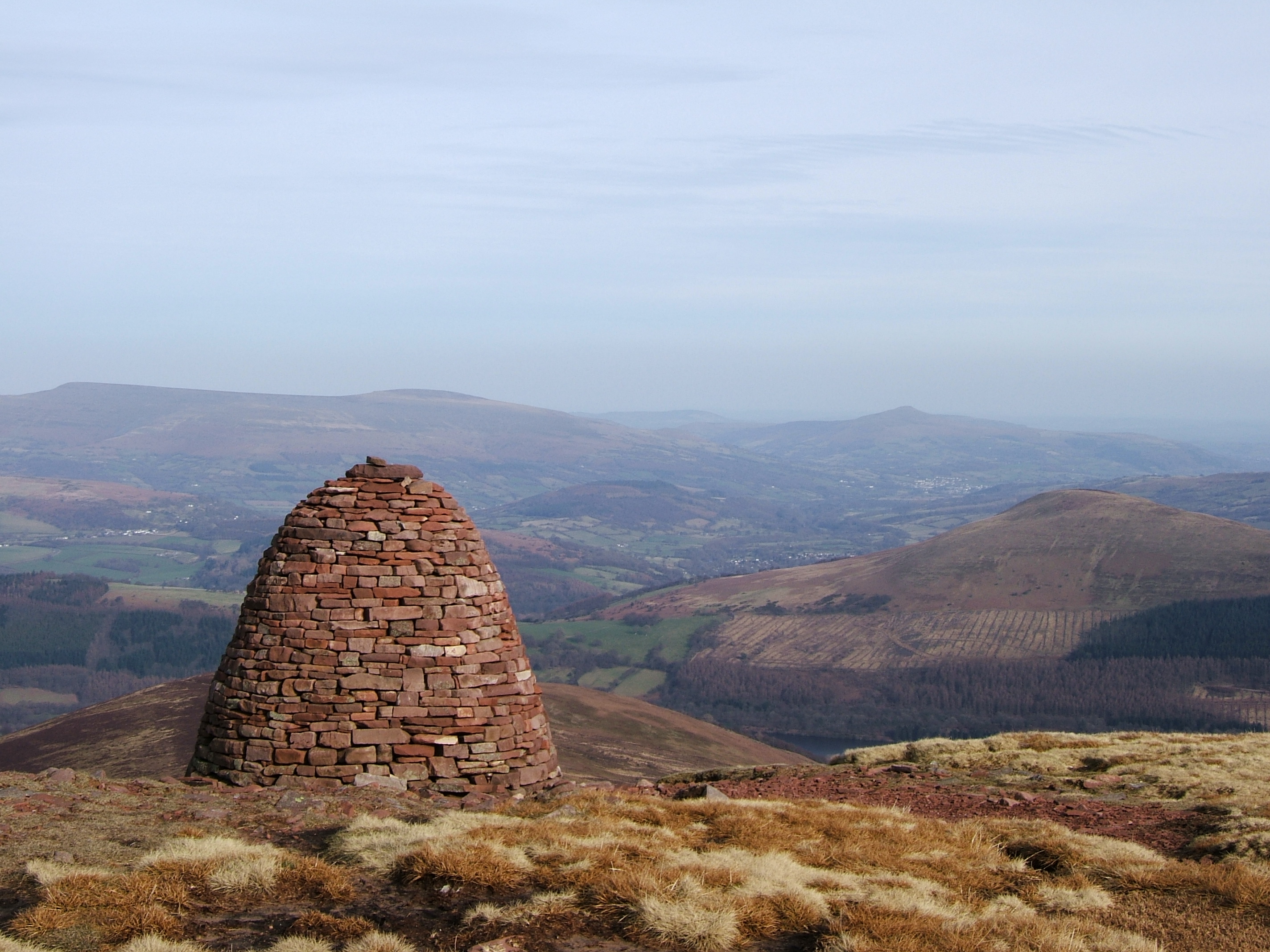 lch, Crickhowell and Sugar Loaf, with the Black Mountains further out.
Twmpa and Black Mountain
February 24, 2009 at 10:00 pm | Posted in Walking | Leave a commentTags: Black Mountains, Twmpa
I arrived at Gospel Pass in thick mist and there was no improvement as I walked up to the summit of Twmpa. The far ridge over Black Mountain, my eventual destination, was little more than a shadow, and I just hoped that it might lift for my return leg along the ridge.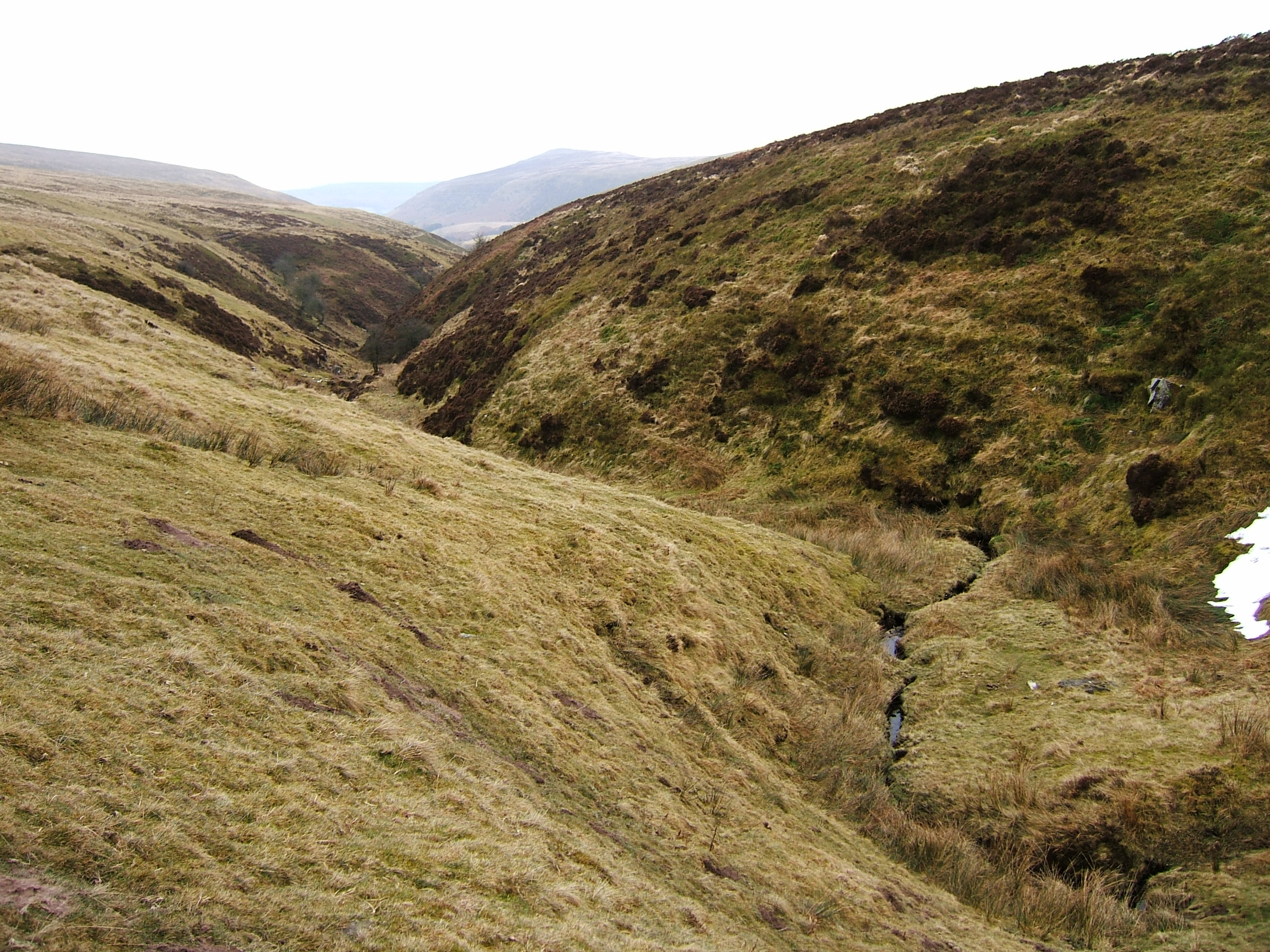
Things improved as I walked down the Nant Bwch valley and dipped below the mist. The valley itself is marked by the gentle river running through it and by the series of three streams running down from the bluff above creating small waterfalls. The middle stream has carved out a small grassy and rock strewn plateau. Just before reaching this spot, I came across a dead fox strewn across the path. It wasn’t clear what had killed it, some of its innards were showing and the crows and buzzards had obviously made a start. It had a strange grimace on its face, suggesting it may have died painfully and aware. It seemed forced to tie this image to the peacefulness of the valley – balancing the brutal facts of nature against its beauty seems trite – the dead fox was just that in all its honest brutality and the landscape carved out by water and wind and ice was similarly true and untouchable. They were juxtaposed only by the accident of death and of my being there that day.
I emerged out of the valley at C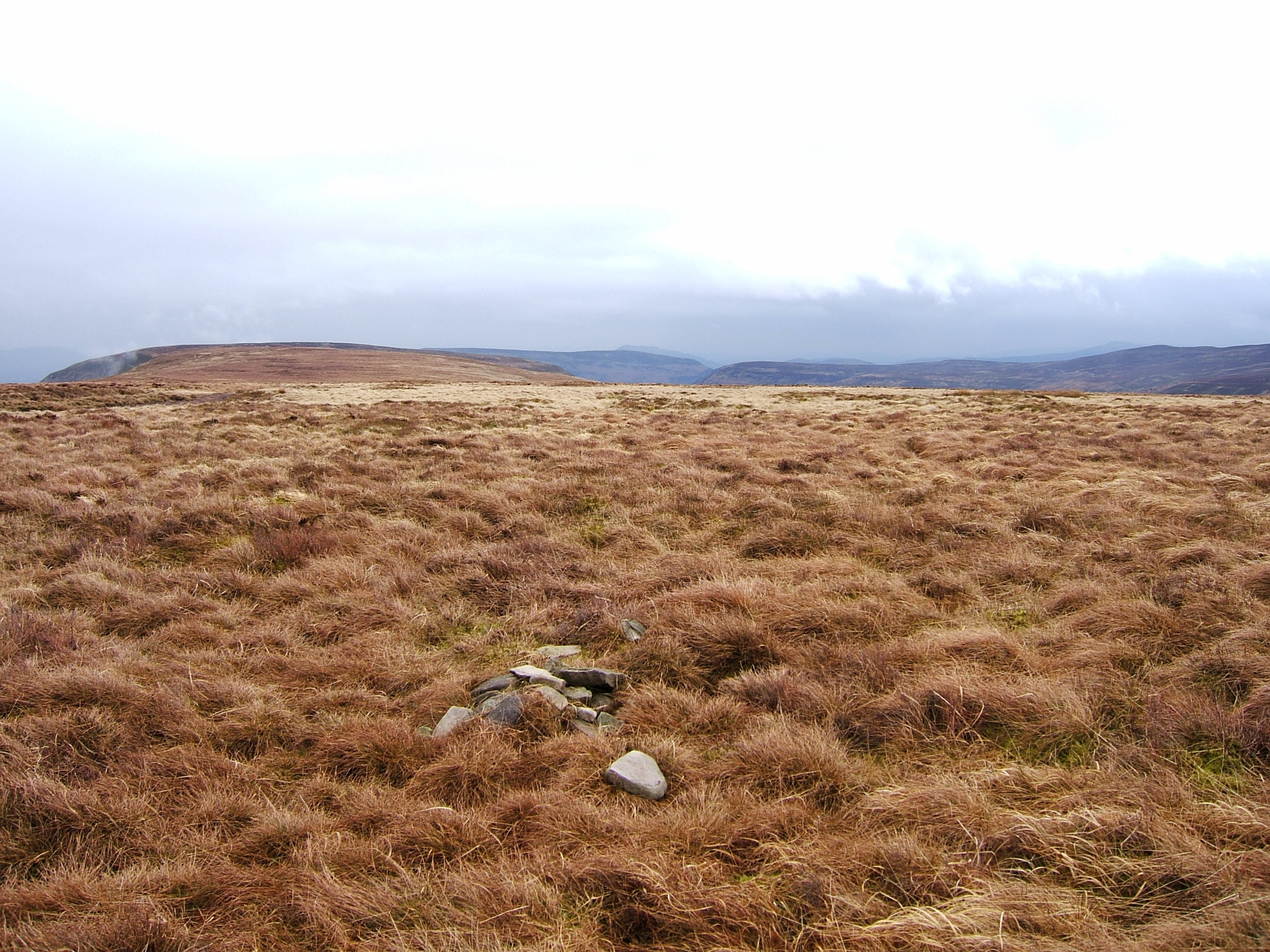 apel-Y-Fin and after a few mistaken steps started the long climb up to the ridge, meeting the Offa’s Dyke Path at the top, where the mist was thick again. Black Mountain’s southern peak is marked only by a few stones. Though there were glimpses of the fine views across to the Vale of Ewyas on one side and Olchon Valley on the other, sitting on the cairn for lunch was an ascetic experience, but at least there was no lashing rain. Then it was on over the peat bogs, easy walking only because of the work done on the Offa’s Dyke Path.
On the whole walk I saw only one other group of walkers, and there was something majestic about the quietness and the greyness, but it’s a route to do again in fine weather.
Radnor Forest
January 24, 2009 at 10:00 pm | Posted in Walking | Leave a commentTags: Bache Hill, Black Mixen, Central Wales, Great Rhos, Radnor Forest
Today I finally got r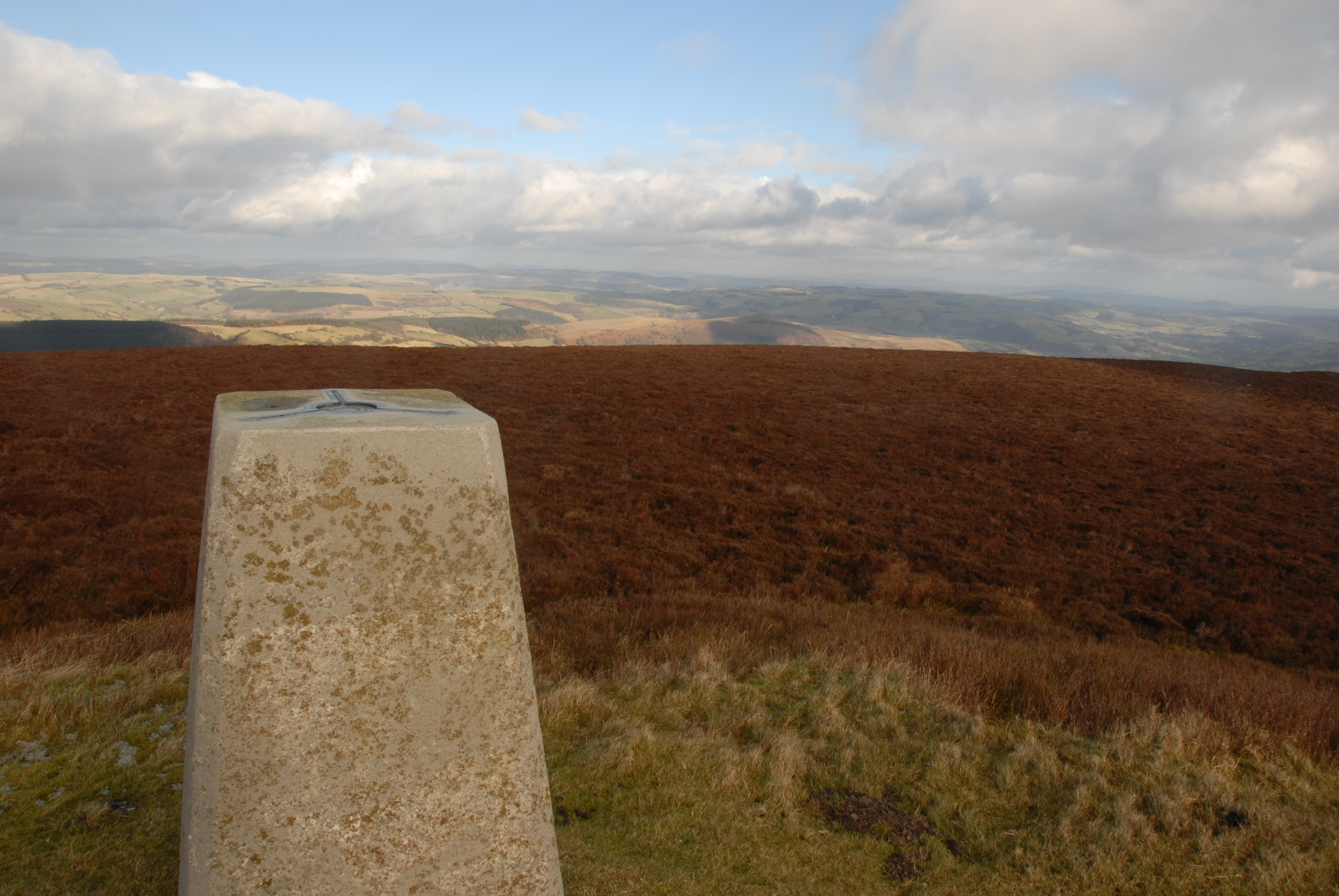 ound to walking the three main Radnor Forest peaks: Bache Hill, Black Mixen and Great Rhos – about 10 miles in all.
It starts with a steep walk out of New Radnor and through the woods to Bache Hill. The summit is hard to find and I needed to backtrack to a gate lower down the hill to get access but there are good views across the Shropshire Hills and back to the Black Mountains. Approaching Black Mixen the showers of sleet and snow started to bite and for a moment I thought of turning back to the start as it was pretty bleak on the boggy moor around the summit. The confidence that a summer’s walking had provided bolstered resolution and the reward was more sunshine – among lighter showers – as I made my way across to Great Rhos.
The walk round from Black Mixen is attractive but Great Rhos it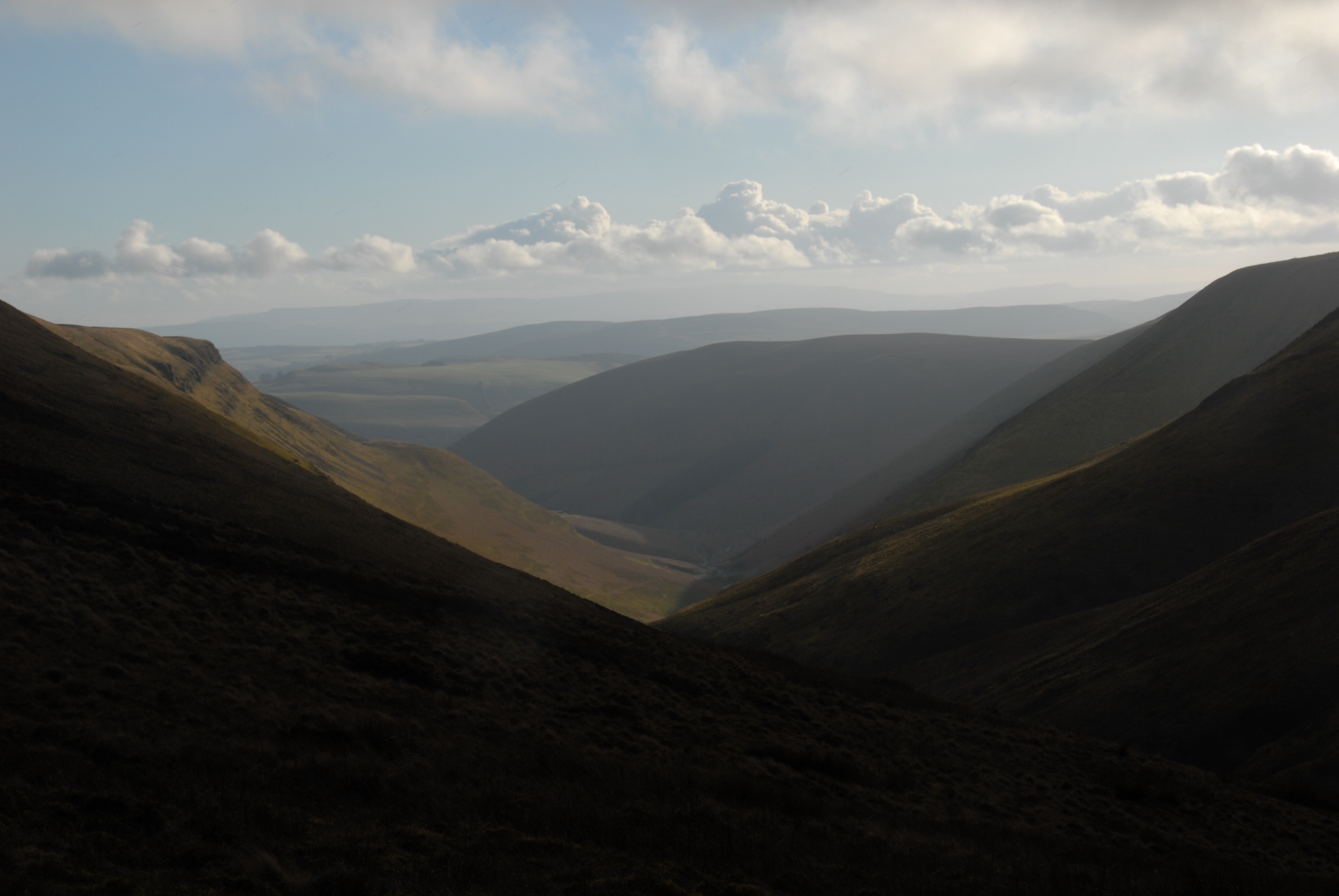 self lacks features and easy to go off the track going to and from the peak. A mistake at the foot of the valley meant I wasted time lost in the heather before returning to take the bridle way that skirts the fence barring access to Harley Dingle. Coming down this was you can see why people have lamented the loss of access to the valley (which is used for munitions testing) – a series of bluffs running below Great Rhos and Black Mixen with the Whimble also standing distinctly to the east and with a pretty stream meandering down the valley.
Today was also the annual RSPB garden birdwatch. All the usual suspects showed up – including nuthatch and woodpecker – but also had four long-tailed tits, first time we’ve seen them in the garden in a group.
The Black Mountains: Crug Hywel, Pen Carreg-calch and beyond
December 14, 2008 at 11:02 pm | Posted in Walking | Leave a commentTags: Black Mountains, Pen Carreg-calch
A wonderful winter’s day, crisp and clear with little wind. My plan was to do a loop taking in the five peaks on the western side edge of the Black Mountains, but first I climbed up to Crug Hywel and its iron age hill fort .
The stone remains of the hill fort are scattered across the broad plateau (hence the familiar name of Table Mountain) at the end of a long ridge of higher peaks. Across the valley, Sugar Loaf stands in isolation, while the limestone peak of Pen Carreg-calch rises to the north. Below the southern lip of the plateau, Crickhowell lies in the broad valley. The view is majestic and offers a thought-provoking context for the stone bones of the old hill fort. What must it have felt like to look down on the ancient settlement like this – either as defender or aggressor? Such remains typically lie on isolated hills giving a sense of remoteness and antiquity, but with little indication of the life they would have been tied to: communities, settlements, power, wealth and vulnerability. Soft hills and rounded dykes give only an impression of the value of such sites for defence and protection. On Crug Hywel it’s different, all those elements seem to rise out of the stones because you can feel the combination of v ulnerability and impregnability that such a site provides.
Walking on up the ridge to Pen Carreg-calch the perspective shifts. From the ridge above the view is that of the predator, but also of the bare, naked animal on the moor, unwound of civilisation, or not inured yet to its comforts. The fort lies open to view caught between the peak and town lying safely below in its modernity and wrap of rural tradition. It was if layers of history and of security were removed, the hill fort with its bones of protection seemed to be a point between the hearth and the threatening wildness. Standing there, camera in hand, I felt I’d captured little or none of this but the context rippled through the clear winter’s day, washing over, leaving a sense of connection that could never be fully grasped.
The hill fort was obscured as I began the final climb to the summit of Pen Carrig-calch and these thoughts faded. From the summit there was a clear view of the remainder of the ridge and the rest of a splendid walk taking in the peaks of Pen Alt-mawr, Pen Twyn Glas and Mynydd Llysiau. The normally boggy path in many sections had been turned into an crisp sheet of cracking ice. The sky remained clear and while there were a few walkers on the first peaks, by Pen Twyn Glas I was on my own.
There is an option to continue the walk on to Waun Fach and Pen Y Gadair Fawr, but the light was fading as I reached the pass, so I returned by the broad and easy path through the pretty Grwyne Fechan valley.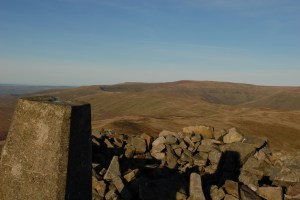
Flickr Photos


Blog at WordPress.com.
Entries and comments feeds.
 Borders Thinking